The Basics of Push-Pull Workouts:
Start Here and Get Our Free Guide!
Welcome to our article on the basics of push-pull workouts (be sure to get our comprehensive free pdf guide for even more on push-pull exercises and workouts)! If you're new to this style of training or just looking for some guidance, you've come to the right place. Push-pull workouts are a popular and effective method for building strength, improving muscle definition, and achieving overall fitness goals.
In this article, we'll break down everything you need to know about push-pull exercises, including what they are, why they're beneficial, and how to incorporate them into your workout routine. We'll also provide tips and suggestions for beginners as well as more advanced variations for those looking to challenge themselves.
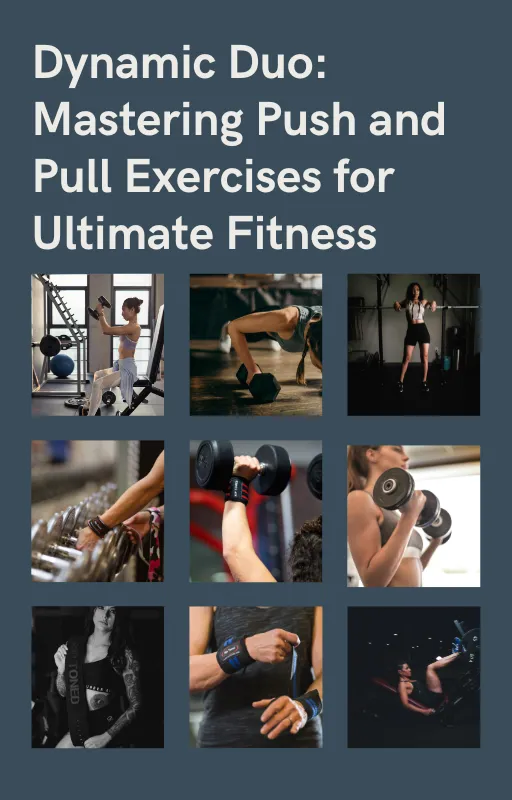
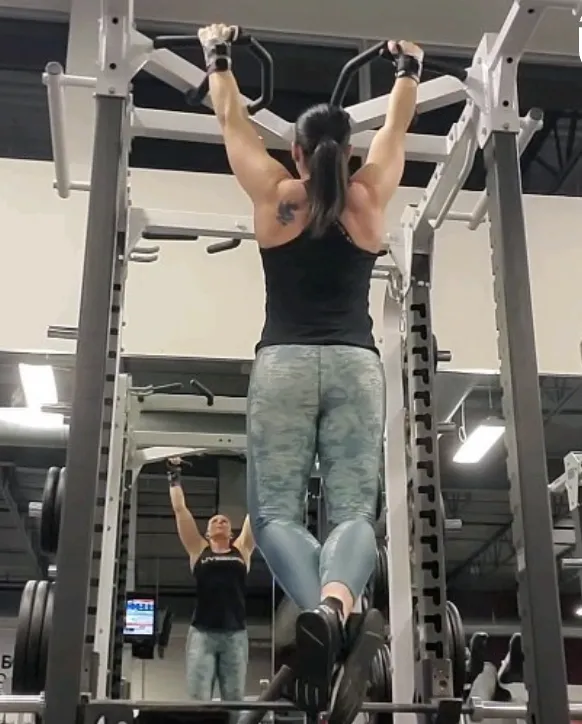
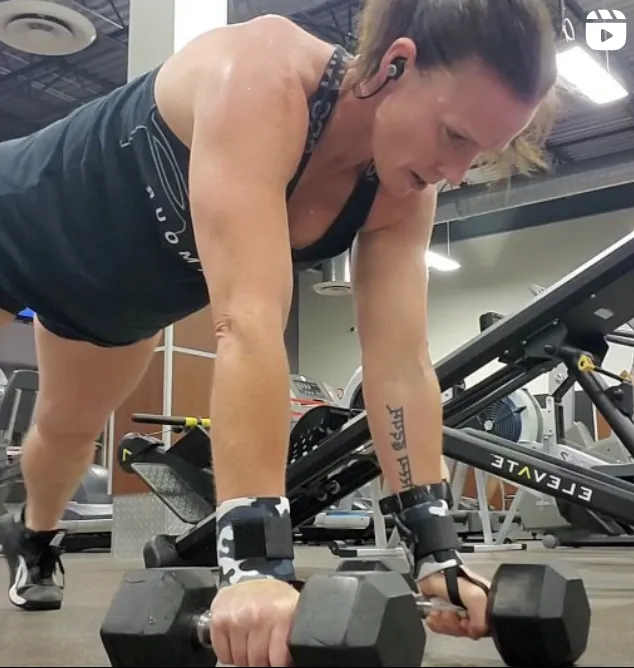
A push-pull workout is a training methodology that divides exercises into two distinct categories: push movements and pull movements. Push exercises primarily involve extending muscles away from your body, targeting muscle groups such as the chest, shoulders, and triceps.
Common push exercises include bench presses, shoulder presses, and push-ups. On the other hand, pull exercises focus on drawing muscles towards your body, working key areas like the back, biceps, and rear shoulders. Examples of pull exercises include pull-ups, rows, and deadlifts.
This balanced approach not only promotes muscular symmetry but also allows for optimal recovery. By alternating between push and pull days, you can give targeted muscles a chance to rest while continuously engaging other muscle groups.
This results in greater overall strength gains, enhanced muscle definition, and reduced risk of injury. Whether you’re a beginner or an advanced athlete, incorporating a push-pull workout routine can help you achieve your fitness goals efficiently and effectively.
Benefits of Push-Pull Workouts
In addition to promoting muscular balance and recovery, push-pull workouts offer numerous benefits for individuals looking to improve their strength and physique.
Firstly, they allow for a wide range of exercises to be incorporated into a single routine. This not only adds variety but also prevents boredom and plateaus.
Additionally, since the focus is on compound movements that engage multiple muscle groups at once, push-pull workouts can help you build functional strength that transfers to daily activities or sports performance.
Moreover, this style of training is time efficient, making it perfect for busy individuals who want to get an effective workout in a shorter amount of time. With push-pull workouts, you can target all major muscle groups in just a few sessions per week.
Lastly, push-pull workouts can be easily modified for different fitness levels and goals. Beginners can start with basic exercises and gradually increase weight or intensity, while more advanced individuals can incorporate variations to challenge their muscles even further.
How To Incorporate Push-Pull Workouts Into Your Routine
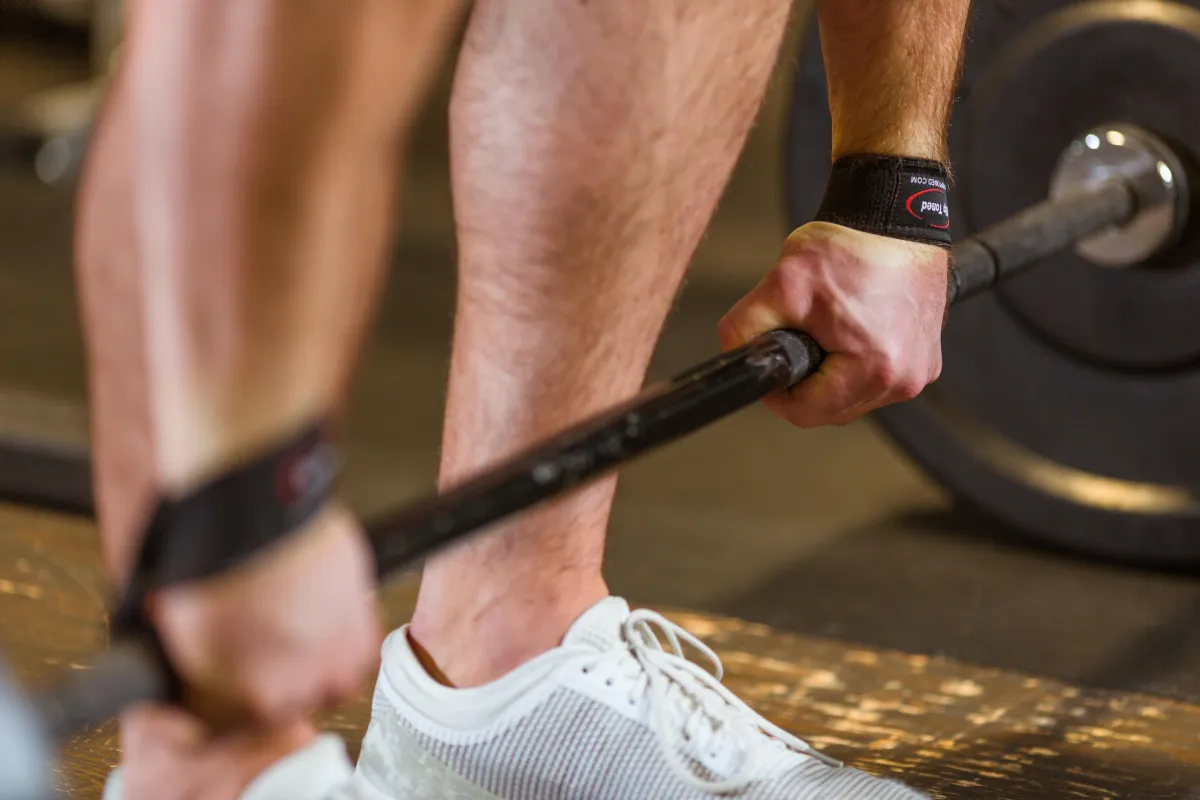
Now that you understand what push-pull workouts are and their benefits, it's time to learn how to incorporate them into your routine. Here are some tips to get you started:
Determine your training frequency
Determining your training frequency is a crucial first step in implementing a push-pull workout routine. Depending on your fitness level and goals, you can train anywhere from two to six days a week. For beginners, starting with two to three days a week is often recommended, allowing time for adaptation and recovery. This frequency enables your body to adjust to the new movements and build a solid foundation.
As you progress, you can gradually increase the frequency to four or five days, which allows for more targeted training sessions. Advanced lifters might choose to train six days a week, alternating push and pull workouts for maximum muscle engagement and recovery.
Ensure to listen to your body; if you feel overly fatigued or are not recovering well, consider adjusting your schedule to include more rest days. This balance is essential for long-term success in your fitness journey.
Choose appropriate exercises
When selecting exercises for your push-pull workouts, it's essential to choose appropriate ones that align with your goals and fitness level. Start with compound movements that engage multiple muscle groups at once, such as bench presses, rows, and pull-ups.
Gradually incorporate variations or isolation exercises to target specific muscles or add more challenge. It's also crucial to use proper form and technique to avoid injury and get the most out of each exercise. Consider seeking guidance from a trainer if you're new to these movements.
Additionally, don't be afraid to adapt or switch up exercises if they aren't working for you. Everyone's body is different, so what works for one person may not work for another. Experiment and find the exercises that feel most effective for your body.
Alternate between push and pull days
To properly execute a push-pull workout routine, it's essential to alternate between push and pull days. This means focusing on push exercises one day and pull exercises the next. The goal is to give targeted muscles time to rest while continuing to engage other muscle groups.
For example, you could do a chest-focused push day followed by a back-focused pull day. Alternatively, you can group exercises by muscle groups, such as doing all chest and tricep exercises on push day and back and bicep exercises on pull day. Experiment with different combinations to find what works best for you.
Remember to give your body time to rest and recover in between workouts, especially if you're training at a higher frequency. This allows for proper adaptation and growth of your muscles.
With these tips in mind, you can confidently incorporate push-pull workouts into your routine and reap the many benefits they offer. Just remember to listen to your body, increase intensity gradually, and have fun challenging yourself!
Why Push-Pull Workouts Work
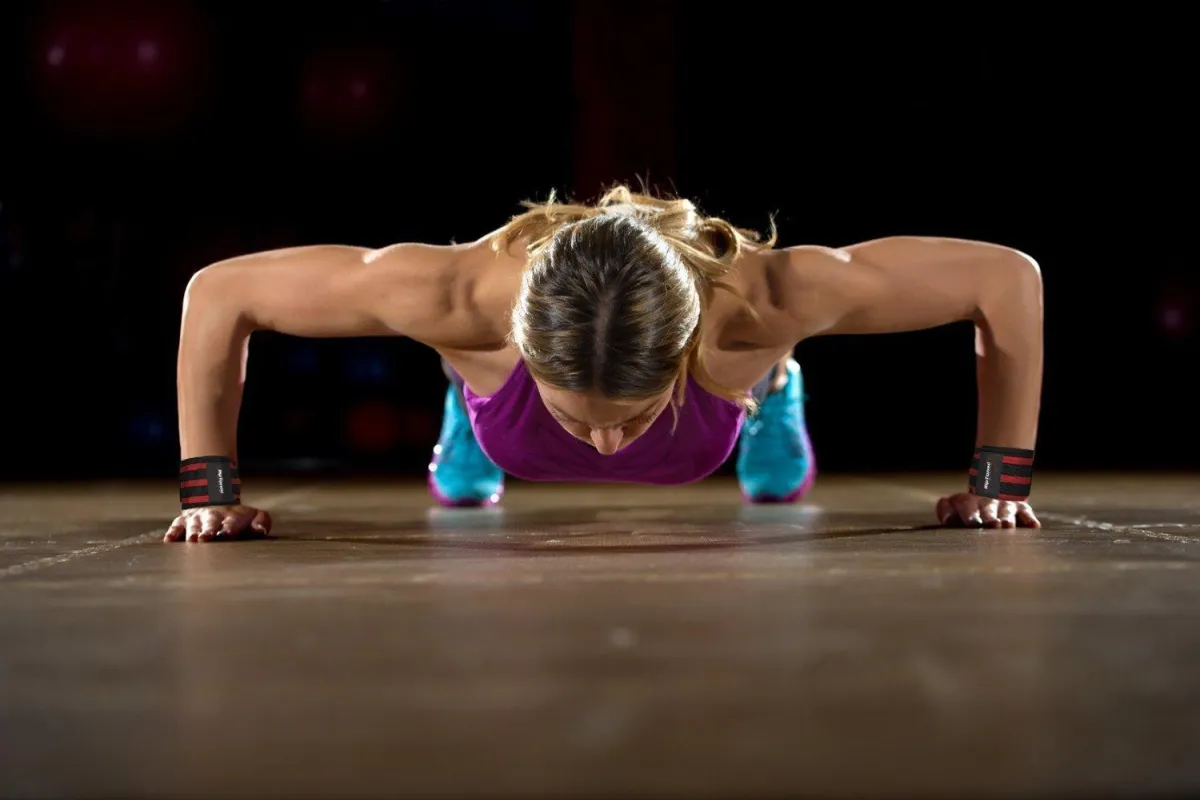
Push-pull workouts have been proven to be effective for a variety of reasons. Firstly, by targeting all major muscle groups, they create a well-rounded and balanced physique. This not only looks aesthetically pleasing but also reduces the risk of injury by preventing muscular imbalances.
Moreover, push-pull workouts allow for progressive overload, which is essential for continued muscle growth and strength gains. By increasing weight or intensity gradually, you can consistently challenge your muscles and promote adaptation.
Furthermore, the rest periods between exercises and days also aid in recovery, allowing for muscles to repair and grow stronger. This is crucial as it prevents overtraining and allows for proper muscle development.
Push-pull workouts are also time-efficient, making them perfect for busy individuals who want a challenging and effective workout in a shorter amount of time. With the ability to engage multiple muscles at once, you can get an intense full-body workout in just a few sessions per week.
Mistakes to Avoid
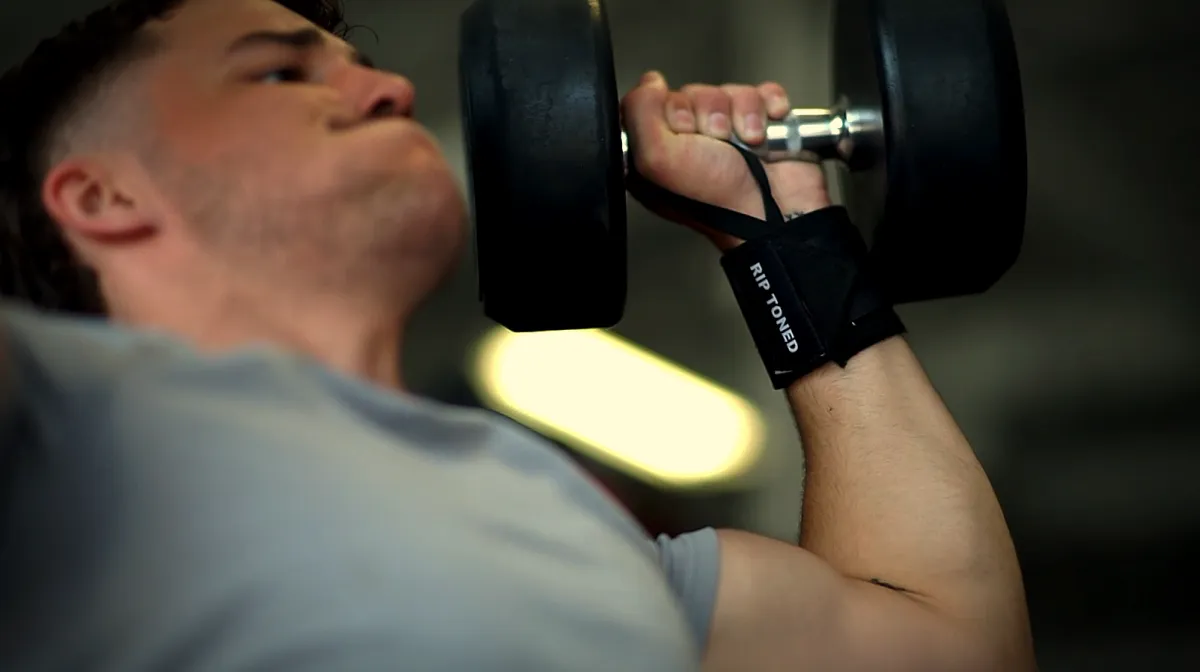
While push-pull workouts offer many benefits, there are some common mistakes that people make when incorporating them into their routine. Here are a few things to avoid:
Neglecting proper form and technique: As with any exercise, it's crucial to use proper form and technique to prevent injury and get the most out of each movement. Don't sacrifice form for weight or intensity.
Not listening to your body: It's essential to pay attention to how your body is feeling during workouts and adjust accordingly. If you're experiencing pain or fatigue that doesn't subside with rest, it may be time to take a break or seek medical advice.
Skipping rest days: Rest days are just as important as training days when it comes to seeing results. Skipping them can lead to burnout, overtraining, and potential injuries.
Focusing too much on one muscle group: While it's important to target specific muscles, it's also crucial to have a well-balanced workout routine. Don't neglect other muscle groups and incorporate variety into your exercises.
Not increasing intensity gradually: It can be tempting to push yourself too hard in the beginning, but ramping up weight or intensity too quickly can lead to injuries. Be patient and give your body time to adapt and grow stronger.
By avoiding these mistakes, you can effectively implement push-pull workouts into your routine and see the benefits they offer. Remember to prioritize proper form, listen to your body, and have fun challenging yourself!
Does It Work for Everyone?
While push-pull workouts can be effective for many individuals, they may not work for everyone. Some people may prefer a different training style or have certain limitations that make this type of workout less suitable.
For example, individuals with injuries or mobility issues may find it challenging to perform certain compound movements, making push-pull workouts less ideal. In such cases, seeking guidance from a trainer and modifying exercises as necessary is crucial for safe and effective training.
Additionally, some people may simply not enjoy this type of routine or find it too difficult to maintain consistently. The key is finding a workout routine that works best for your body and goals – whether it's push-pull workouts or something else entirely.
It's also important to note that everyone's body is different, so what works for one person may not work for another. Listen to your body and adjust as needed to find the best approach for you.
Tips And Suggestions For Beginners
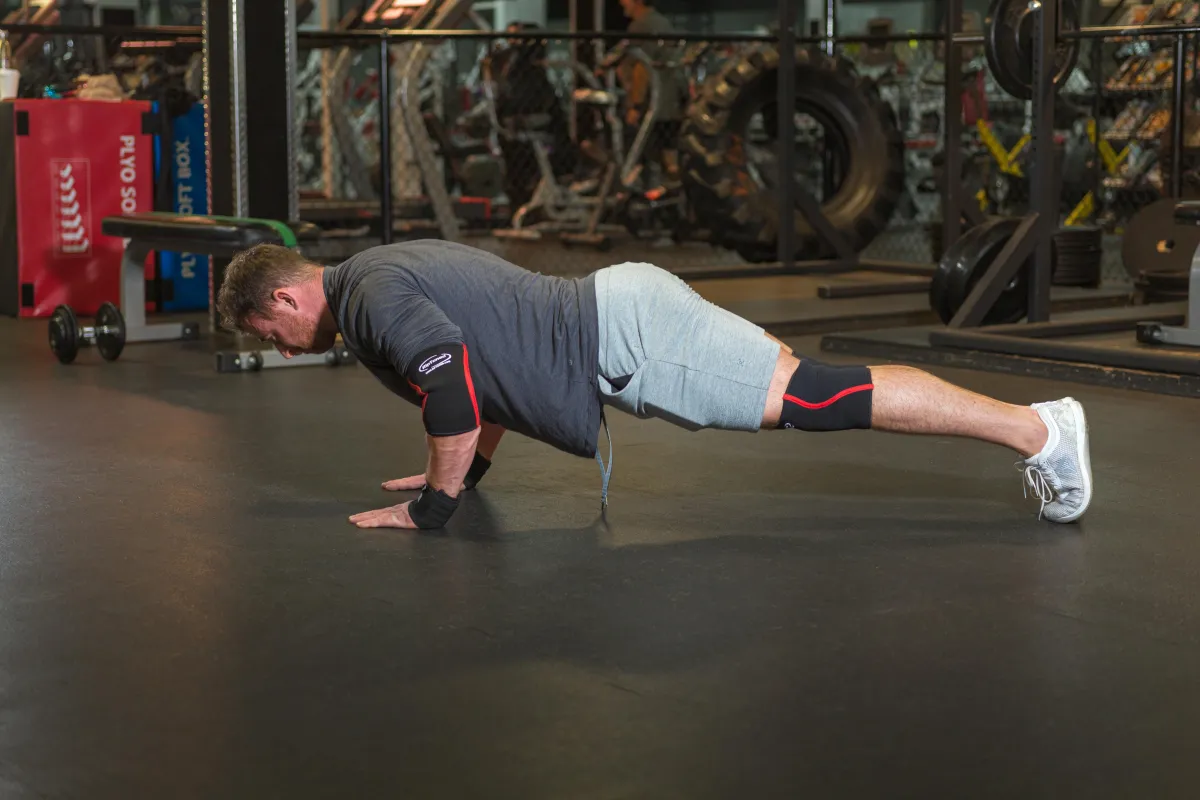
If you're new to push-pull workouts, here are some tips and suggestions to get started:
Start with the basics: Begin with compound movements that target multiple muscle groups at once, such as push-ups and pull-ups. Once you have a solid foundation, you can start incorporating isolation exercises.
Focus on proper form: As mentioned before, it's crucial to prioritize proper form and technique to prevent injuries and see results.
Begin with lighter weights: Don't be afraid to start with lighter weights and gradually increase over time. This allows your body to adjust and prevents overexertion.
Incorporate rest days: Rest and recovery are just as important as training. Make sure to schedule in rest days throughout the week.
Listen to your body: As always, listen to your body and adjust accordingly. If something doesn't feel right or is causing pain, seek medical advice and modify exercises as needed.
With these tips in mind, you can start incorporating push-pull workouts into your routine and see the benefits they offer for yourself. Remember to be patient, stay consistent, and enjoy the process of challenging and improving yourself physically!
Get Our Free Guide on Push-Pull Workouts
Ready to take your fitness journey to the next level? Download our free guide on push-pull workouts! In this comprehensive guide, we provide you with all the information and tools needed to create a personalized push-pull routine that works for you.
Whether you're a beginner or an experienced lifter, this guide has something for everyone. Learn about the benefits of push-pull workouts, common mistakes to avoid, and tips for beginners. We also dive into whether this type of workout is suitable for everyone and provide suggestions and tips on how to get started.
But that's not all – our guide also covers important topics such as preventing injuries, nutrition, and staying motivated. Plus, we've included cost-effective solutions for those on a budget. Don't miss out on this opportunity to improve your strength, muscle growth, and overall fitness with the powerful concept of push-pull workouts.
Simply enter your email below to receive our free guide and start your journey towards a stronger and healthier you! So what are you waiting for? Download our guide now and get started on creating an effective push-pull workout regimen today!
FAQs
What is a push pull legs routine?
A push pull legs routine is a popular weight training strategy that divides the workout into three parts. Each part targets specific major muscle groups: upper body pushing muscles (like chest and triceps) during the "push" days, upper body pulling muscles (like back and biceps) during the "pull" days, and legs during the "legs" workout days. This approach helps optimize building muscle by allowing adequate rest and recovery for each muscle group.
How does the push pull legs split enhance muscle mass growth?
The push pull legs split enhances muscle mass growth by ensuring that each major muscle group receives focused attention during workouts and sufficient recovery time before being worked again. This method prevents overtraining the same muscle group and promotes hypertrophy, effectively increasing muscle mass through exercises like the bench press for pushing muscles and rows for pulling muscles.
What are some key exercises for the push days in a push pull legs routine?
Key exercises for push days in a push pull legs routine typically focus on upper body pushing muscles. These include the bench press, incline barbell bench press, close grip bench press, and dumbbell shoulder press. These exercises target different aspects of the chest, shoulders, and triceps, helping to develop a balanced and strong upper body muscles.
What exercises are recommended for pull days?
For pull days, focus on exercises that target the upper body pulling muscles. Effective exercises include pull-ups, barbell rows, and lat pull-downs. These exercises help strengthen and build the back muscles and biceps, essential for a comprehensive upper body workout regimen.
How should I incorporate legs workouts in a push pull legs routine?
Legs workouts in a push pull legs routine should target all major muscle groups in the lower body, including quadriceps, hamstrings, calves, and glutes. Squats, deadlifts, leg presses, and lunges are fundamental exercises that should be included to ensure balanced development and strength in the lower body.
Can I use the push pull legs split for weight loss as well as building muscle?
Yes, the push pull legs split can be effectively used for both weight loss and building muscle. For weight loss, incorporate higher repetitions and shorter rest periods to increase calorie burn. For building muscle, focus on heavier weights and sufficient rest between sets to promote muscle growth.
How often should I perform each workout in a push pull legs routine?
Ideally, each workout in a push pull legs routine should be performed once or twice a week, allowing for at least 48 hours of recovery for the same muscle group. This frequency ensures that muscles have time to recover and grow stronger, which is crucial for both building muscle and preventing injuries.
Conclusion
Push-pull workouts can be a game-changer for those looking to improve their strength, muscle growth, and overall fitness. By incorporating a variety of push and pull exercises, you not only challenge your body but also add diversity and prevent boredom in your routine.
In this ebook, we covered the fundamentals of push-pull workouts, including the benefits they offer, common mistakes to avoid, and tips for beginners. We also addressed whether this type of workout is suitable for everyone and provided suggestions on how to get started.
With proper form and consistency, push-pull workouts can yield impressive results. Remember to listen to your body, be patient with progress, and stay motivated. And don't forget to download our free guide for a comprehensive breakdown of push-pull workouts and additional tips and strategies for success!
About Us
© Copyright 2026 RIP TONED FITNESS CHARITY
RIP TONED FITNESS CHARITY All rights reserved.
The platform is a project of the Foundation for Public Benefit.
Our Mission
Our mission is to empower individuals to live a healthy lifestyle through education, resources, and access to affordable healthy options. We believe that everyone deserves the opportunity to prioritize their health, regardless of their financial status.